
How to Test Wall Outlets Safely
Wall outlets are something we use every day without thinking — for charging phones, running appliances, and powering electronics. However, faulty wall sockets can cause electric shocks, short circuits, or even fires. That’s why knowing how to test wall outlets safely is an important part of home electrical safety.
You don’t need to be an electrician to perform basic outlet checks. With the right steps and tools, you can identify common problems before they become dangerous.
Why Testing Wall Outlets Is Important
A damaged or faulty wall outlet can lead to:
Appliance damage
Electric shock
Power failure
Fire risk
Testing your outlets helps you spot these issues early and take action before they get worse.
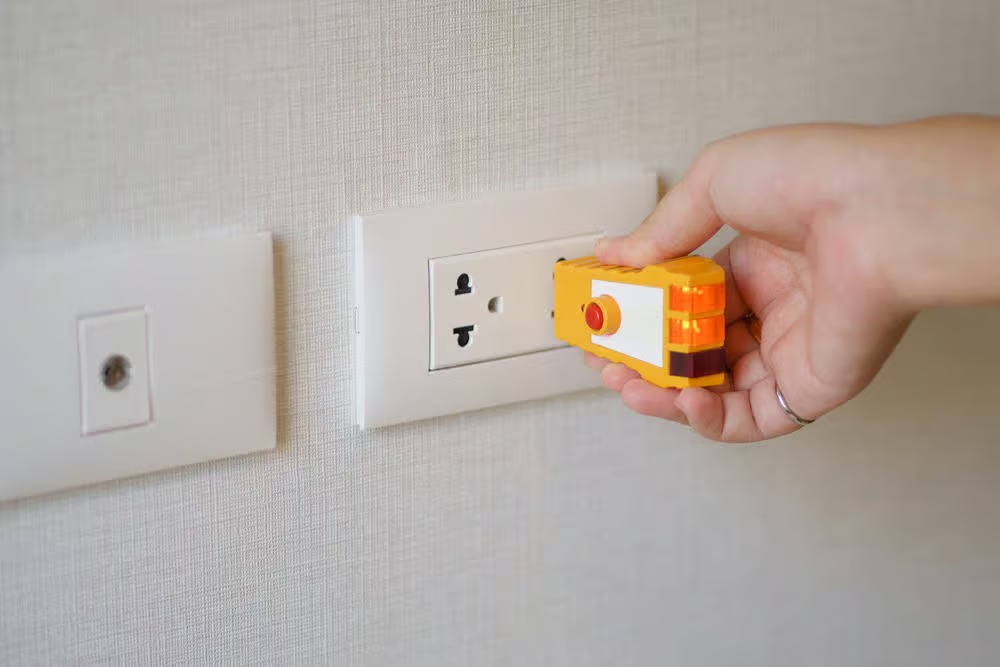
Tools You Will Need
To test a wall outlet safely, prepare these simple tools:
A plug-in voltage tester or socket tester
A multimeter (optional but useful)
A lamp or small electrical device
A flashlight
These tools are easy to find and safe to use for basic checks.
Step-by-Step: How to Test a Wall Outlet
1. Check for Visible Damage
Before plugging anything in, look at the outlet carefully.
Check for:
Burn marks
Cracks
Loose faceplates
Discoloration
If you notice any of these, do not use the outlet.
2. Test With a Simple Device
Plug in a lamp or phone charger.
If the device:
Turns on → the outlet has power
Does not work → the outlet may be faulty or disconnected
This simple test helps confirm whether the outlet is live.
3. Use a Socket Tester
A socket tester gives quick and clear results.
Plug it into the outlet and check the indicator lights.
Most testers will show:
Correct wiring
Open ground
Reverse wiring
No power
If the lights indicate an error, the outlet may not be safe.
4. Test Using a Multimeter
For a more accurate check, use a multimeter.
Set the multimeter to AC voltage
Insert the probes into the slots
A healthy outlet should read around 220–240V in Malaysia
A very low or zero reading means there is a problem.
Common Warning Signs of Faulty Outlets
You should stop using an outlet if you notice:
Sparks when plugging in
A burning smell
Loose plugs
Warm or hot faceplate
Buzzing or crackling sounds
These are signs of internal wiring issues.
Safety Tips While Testing
Always follow these safety rules:
Never touch exposed wires
Keep hands dry
Do not test damaged outlets
Use insulated tools
Turn off power if you feel unsure
Electrical safety should always come first.
When to Call a Professional
You should contact an electrician if:
Multiple outlets fail
You see burn marks
Circuit breakers keep tripping
You detect unusual smells
The outlet feels hot
These problems often require professional repair.
Final Thoughts
Testing wall outlets is a simple but powerful way to protect your home. By checking them regularly, you can prevent electrical accidents, keep your appliances safe, and ensure your family stays protected.
If you suspect a serious problem, always choose professional electrical service instead of risking a DIY fix.
