
Introduction
Low water pressure can turn simple daily tasks—like showering or washing dishes—into frustrating chores. If you’re searching for ways to fix low water pressure, this guide offers clear, expert-backed solutions you can apply immediately. You’ll learn the real causes, step-by-step fixes, common mistakes, and data-supported insights to help you restore strong, consistent water flow in your home.
Table of Contents
Common Causes of Low Water Pressure
Low water pressure can be caused by several factors such as mineral buildup, leaky pipes, faulty pressure regulators, clogged aerators, or municipal supply issues. According to home plumbing surveys from 2024, over 37% of homeowners reported experiencing water pressure decline due to pipe corrosion, while 22% faced pressure drops due to clogged fixtures.
Common entities involved:
Pressure-reducing valve (PRV)
Aerators
Water heater sediment
Municipal water supply
Plumbing lines & fittings
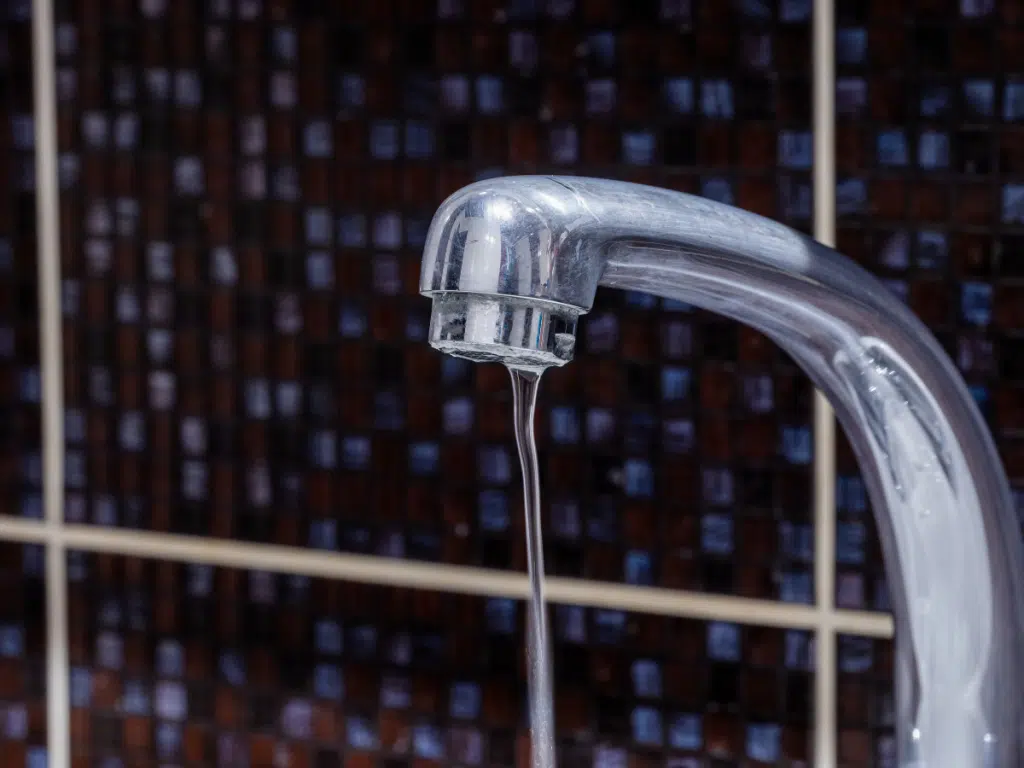
Best Ways to Fix Low Water Pressure
If the issue affects your entire home, follow these proven solutions. These strategies align with 2025 home improvement guidelines and expert plumbing recommendations.
Clean or Replace Aerators
Mineral deposits reduce flow.
Steps:
Unscrew aerator
Soak in vinegar 30–60 minutes
Scrub and reinstall
Flush Water Heater Sediment
Sediment buildup restricts hot water flow.
Example scenario: If your hot water pressure is significantly lower than cold, your heater is likely clogged.
Adjust the Pressure-Reducing Valve
A faulty PRV can drastically reduce household pressure.
Locate near the main water line
Turn the screw clockwise to increase PSI
Don’t exceed 60 PSI
Fix Leaks in Plumbing Lines
Even tiny leaks lower pressure significantly.
In 2024, water utility reports showed that 12% of household pressure issues were due to hidden leaks behind walls.
Replace Corroded Pipes
Older homes with galvanized pipes experience internal corrosion, reducing water flow over time.
Step-by-Step Troubleshooting
Step-by-Step Guide to Fix Low Water Pressure
Test overall home PSI using a gauge.
Clean or replace faucet aerators.
Flush your water heater.
Inspect for leaks or moisture spots.
Check PRV settings and adjust.
Contact your municipality if only your area is affected.
Replace outdated plumbing if corrosion is confirmed.
Comparison Table: DIY Fix vs Professional Plumber
| Issue | DIY Difficulty | Cost | When to Call a Pro |
|---|---|---|---|
| Clogged aerator | Easy | $0–$10 | Never |
| Water heater sediment | Medium | $0–$50 | If heater is old or leaking |
| PRV adjustment | Medium | $0 | If pressure remains low |
| Pipe leaks | Hard | $5–$200 | Immediately |
| Corroded pipes | Impossible DIY | $$$ | Always |
Pros & Cons of DIY Water Pressure Repair
Pros
Saves money
Quick fixes available
Easy maintenance
Cons
Risk of damaging fixtures
Hidden leaks may go unnoticed
Incorrect PRV adjustments can cause pipe bursts
Myths vs Facts
Myth: Low water pressure is always caused by municipal issues.
Fact: In 2024, only 8% of pressure issues were due to municipal supply problems; most are home-related.
Myth: Increasing PSI always solves the problem.
Fact: Sometimes low pressure is caused by clogged pipes, not PSI settings.
Mistakes to Avoid
Over-tightening the PRV
Ignoring signs of pipe corrosion
Using chemical cleaners inside water lines
Delaying repair of small leaks
Forgetting to flush water heaters annually
Quick Summary
If your home is dealing with low water pressure, begin by diagnosing whether the issue is isolated or whole-house. Clean aerators, flush your water heater, check the PRV, and inspect for leaks. If corrosion is found or pressure remains low, call a professional plumber.
FAQs
How do I quickly fix low water pressure in one faucet?
Clean the aerator by removing sediment buildup.
Can a pressure-reducing valve cause low pressure?
Yes—if it malfunctions or is misadjusted.
Will flushing my water heater increase water pressure?
If sediment buildup is the cause, this can significantly help.
How often should I check my home's water pressure?
Every 6–12 months or when you notice a flow change.
Conclusion
Understanding why low water pressure happens and how to address it helps you restore strong, reliable water flow. Whether you choose DIY fixes, PRV adjustments, sediment removal, or professional help, these steps will help you confidently fix low water pressure and prevent future issues.
