
Introduction
Electrical safety at home starts with asking the right question — like how to tell when wiring is unsafe. If you suspect your wiring is faulty, acting early can protect your family and property. In this guide, you’ll learn practical, expert-level steps to check wiring, recognize warning signs, and know when to call a pro.
What does “faulty wiring” mean?
Faulty wiring refers to electrical wiring systems that have defects or damage — such as degraded insulation, loose connections, incorrect installation, or wires unable to handle current load. These problems can stem from age, overloading, substandard installation, wear & tear, or DIY electrical work.
Faulty wiring can lead to:
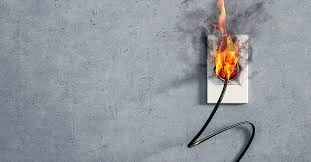
- Short circuits, sparking or arcing
- Overheating inside walls or outlets
- Fires or electrical shocks
- Frequent breaker trips and power outages
Why checking wiring matters (safety + statistics)
- According to data from National Fire Protection Association (NFPA), wiring and related equipment accounted for about 68% of home fires involving electrical distribution and lighting equipment.
- Electrical wiring issues contribute significantly to home fire fatalities and property damage.
Moreover, modern households now draw more power than older wiring systems were designed for — so older or overloaded wiring might not cope with today’s appliances.
Common signs that wiring is faulty
Here are warning signs to watch out for. If you notice any, it’s time to inspect or call an electrician.
Step-by-Step: How to Check Your Wiring Safely
⚠️ Safety Disclaimer: Always treat electricity with caution. If you’re unsure, hire a licensed electrician.
Step 1: Turn off power
- Go to your circuit breaker or fuse box; switch off power for the circuit you will inspect.
- Use insulated tools, wear rubber-soled shoes, and keep the area dry.
Step 2: Visual & physical inspection
- Look at outlets, switches, and wiring (if exposed). Check for: discoloration, cracks, scorch marks, loose covers, frayed wires.
- Feel outlets after power is restored (briefly) — they should not feel warm or vibrating.
Step 3: Functional tests
- Plug in a small device (like a lamp) — if lights flicker or you hear buzzing, that’s a red flag.
- Monitor breaker behavior: frequent trips or blown fuses suggest wiring overload or fault.
Step 4: Use testing tools
- Use a non-contact voltage tester or outlet tester to check for live wires or ground-neutral reversals.
- For more advanced diagnostics, a licensed electrician might use a multimeter, insulation tester, or continuity tester to check wires inside walls.
Step 5: Note building age & wiring type
- Older homes (30+ years) or homes with outdated wiring (e.g. aluminium wiring, cloth-covered wires) are higher risk.
Unregulated DIY wiring work can often be faulty — documentation and inspection are crucial.
Tools & Devices to Help Test Wiring
- Non-contact voltage tester / pen — detects live wires without touching.
- Outlet/socket tester (3-light tester) — checks plug wiring correctness (ground, neutral, hot).
- Multimeter / continuity tester / insulation tester — used by professionals to verify wire continuity, insulation integrity, and to detect hidden faults.
Arc-fault circuit interrupter (AFCI) — helps prevent fires by cutting power when dangerous arcing faults are detected; often required by modern electrical code.
Pros & Cons: DIY Inspection vs Professional Inspection
|
Approach |
✅ Pros |
❗ Cons / Risks |
|
DIY inspection (visual + testers) |
Cheap, quick first check; you may catch obvious hazards early |
May miss hidden wiring faults (behind walls), misinterpret signs, deliver false sense of safety |
|
Professional inspection by a licensed electrician |
Comprehensive — tests wiring integrity, insulation, grounding; gives peace of mind and compliance with safety standards |
Costly; requires scheduling; possible rewiring may be expensive |
Verdict: DIY checks are useful for early detection of obvious issues. For older homes or when warning signs appear — a full professional inspection is strongly recommended.
Common Mistakes to Avoid
- Ignoring occasional flickers or strange smells — they often precede serious failures.
- Assuming breaker trips are due to appliances — repeated trips may point to wiring issues, not devices.
- Using extension cords as permanent wiring — that increases overload and fire risk.
- Touching wires without cutting power or using insulated tools — can lead to electric shock or injury.
- Delaying old-wiring upgrades — outdated wiring may not handle modern loads and can deteriorate over time.
Quick Summary — What to Do Right Now
-
- Inspect all outlets and switches visually — look for discoloration, warmth, sparks, odors.
- Test breakers: if they trip often, unplug appliances and retest; persistent trips = suspect wiring fault.
- Use a voltage tester or outlet tester to check sockets.
For any suspicious sign — don’t delay: schedule a detailed inspection by a licensed electrician.
Conclusion
Checking whether your wiring is faulty is not just about occasional flickering lights — it’s about safety, fire prevention, and peace of mind. If you suspect that your wiring is faulty, start with a careful visual and functional inspection using a tester. If you spot any red flags — or if your home is older — the next smart move is to hire a qualified electrician for a full inspection.
Take action today: don’t wait until it’s too late. A small check now could prevent a major fire or electrical accident tomorrow